
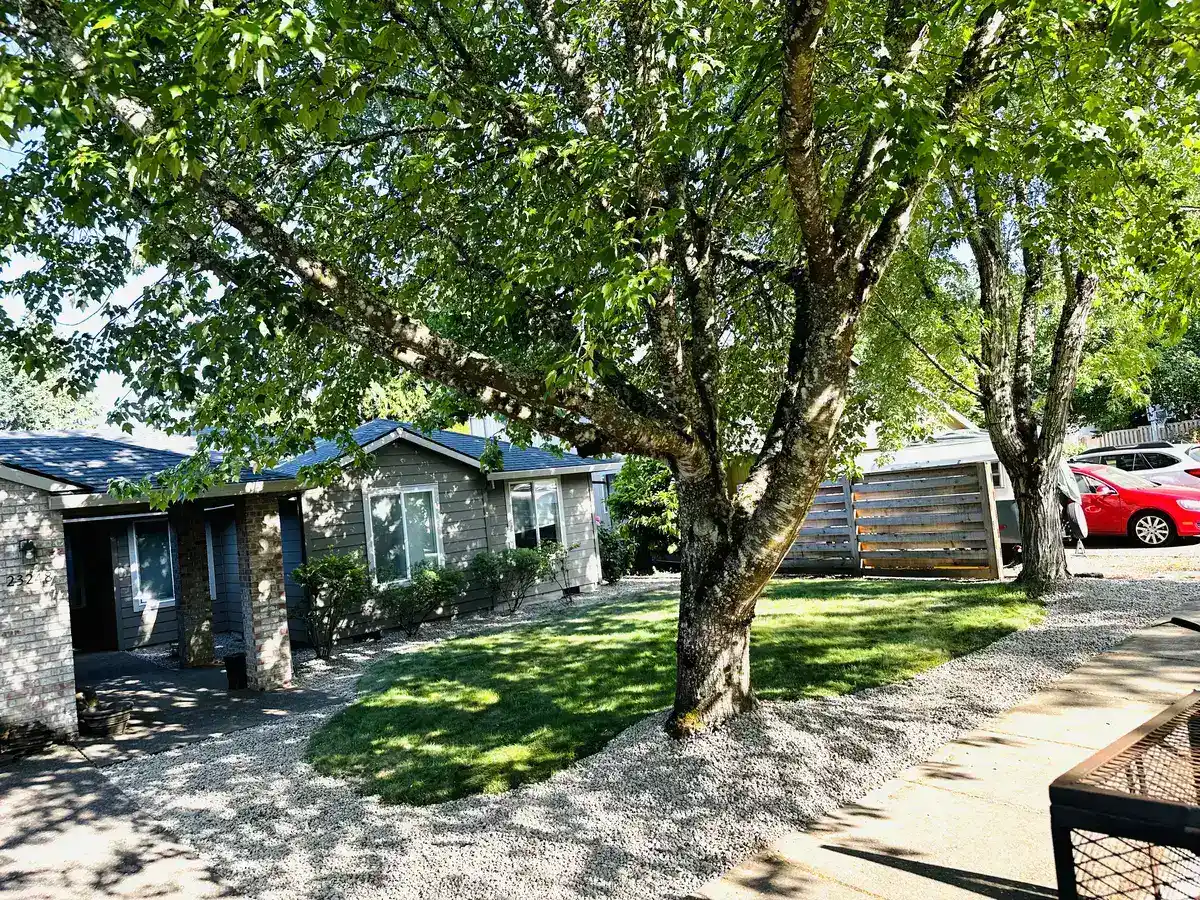
Before booking landscaping in Wilsonville, ask questions that test how well the proposed plan fits your property—not just how the finished materials will look. A useful conversation should connect your priorities to grade, water movement, summer exposure, maintenance, access, adjoining surfaces, and any rules that may affect the work.
This matters whether you are refreshing lawn and beds or coordinating a larger project with turf, pavers, or a retaining wall. CreekView’s landscaping service in Wilsonville, OR brings those connected decisions into one property-specific discussion.
Ask for the reason behind each recommendation
A materials list tells you what may be installed. A useful plan also explains why each choice fits that part of the yard, what preparation it needs, how it connects to nearby work, and what upkeep begins after installation.
1. Which yard problem should the plan solve first?
Start with the daily problem or desired use. Is the priority a lawn for play, a lower-maintenance side yard, cleaner bed edges, a more comfortable seating area, or a safer transition across a slope? Ranking the outcomes helps keep attractive add-ons from distracting from the reason you called.
Ask the contractor to point to the part of the proposed scope that solves each priority. If one project includes lawn, planting, mulch, and hardscape, the plan should show how those pieces support the same result instead of reading like unrelated line items.
2. What can an August walkthrough show—and what can it hide?
Late summer can make sun exposure, irrigation coverage, dry soil, worn traffic routes, and heat-stressed lawn or planting areas easier to see. It can also hide the full behavior of a yard during long rainy periods.
Show where water has collected, crossed a walkway, softened the lawn, washed mulch, or reached a low point during wetter months. Point out downspout outlets and any seasonal seepage you have observed. The contractor can then consider both present conditions and your wet-weather history when discussing grading, soil preparation, planting, lawn, or turf installation.
3. Where will runoff go after the work is finished?
New beds, lawn, walls, paths, and patios can change how water moves across a property. Ask where runoff will enter the project area, how it will cross or soak into the site, and where it will leave. The goal is not simply to move water away from one visible low spot if that creates a new problem beside a path, wall, fence, or neighboring area.
For connected landscape and hardscape work, discuss the relationship among final grades, paver pitch, wall drainage, roof runoff, planting areas, and lawn edges. CreekView can coordinate landscaping, paver installation, and retaining walls within the agreed project scope.
4. Why does each material fit that specific location?
Compare options by location, not in the abstract. A sunny play area, shaded side yard, sloped bed, pet route, and frequently used patio edge place different demands on a surface. Ask how traffic, sun and shade, irrigation, drainage, appearance, and ongoing maintenance shaped the recommendation.
Also ask what lies beneath the visible finish. Soil preparation, base depth, grading, edging, and transitions often determine whether new work stays neat and usable. If the goal is primarily cleaner beds and moisture management, review CreekView’s mulch installation options; if the need is recurring mowing and edging, compare the scope with lawn care.
5. Could property rules or city review affect the plan?
Not every landscape project needs a permit or formal review. Still, it is worth asking early when a plan involves substantial grading, drainage changes, utilities, a structure, or work near a protected natural resource area. Wilsonville’s development guidance includes stormwater management and natural resource review, so requirements depend on the property and the work—not on the broad label “landscaping.”
Ask who will confirm applicable requirements and whether that confirmation should happen before the estimate is finalized. For authoritative guidance, homeowners can review the City of Wilsonville’s Natural Resources Process Guidelines or contact the appropriate city department. HOA rules, easements, and utility locations may also affect what can be installed and where.
6. How will new landscaping meet existing surfaces?
Ask about every edge: lawn to bed, mulch to path, turf to patio, wall to slope, and new work to existing drainage or irrigation. These transitions affect finished height, access, water movement, mowing, trip points, and how easy the yard is to maintain.
If a future patio, wall, or turf area is likely, mention it before the first phase is built. The immediate project can then account for access, final elevations, and sequencing even if the future work is not included now.
7. What happens after installation?
Ask what the handoff includes and what you will need to do next. New lawn and plants may need a different watering pattern than established areas. Mulch settles, weeds return, turf needs routine care, and drainage paths should remain clear. The answer should match the materials actually proposed for your yard.
Before booking, make sure the written estimate identifies the work areas, removal, preparation, materials, installation, cleanup, exclusions, homeowner responsibilities, and how changes will be approved. If a care instruction, material detail, or responsibility matters to your decision, ask for it to be clear in the written scope.
Wilsonville landscaping FAQ
What should I ask a landscaper before booking in Wilsonville?
Ask what problem the plan solves first, how it responds to grade and water movement, why each material fits the location, whether connected work or site review may affect the scope, what the written estimate includes, and what upkeep begins after installation.
Can a summer walkthrough show every drainage issue?
No. A dry-weather walkthrough can reveal grade, downspout outlets, compacted areas, erosion marks, and low spots, but homeowners should also describe where water collects or crosses the yard during rainy months.
Do all Wilsonville landscaping projects need a permit?
No. Requirements depend on the work and property. Projects involving significant grading, drainage changes, structures, utilities, or protected resource areas may deserve an early check with the City of Wilsonville or another applicable authority.
How should I compare landscaping materials?
Compare materials by the specific location: sun and shade, drainage, traffic, pets, irrigation, desired appearance, maintenance, and how the new surface will meet nearby lawn, beds, paths, patios, or walls.
Does CreekView provide landscaping in Wilsonville, Oregon?
Yes. CreekView Landscape LLC provides landscaping in Wilsonville, Oregon, and can coordinate lawn, planting, mulch, turf, pavers, retaining walls, and clean up within the project scope.
Bring your questions to a Wilsonville property walkthrough
CreekView bases estimates on the property visit, project goals, access, grade, drainage needs, and material choices. Explore Wilsonville landscaping options, then contact CreekView Landscape to request a free estimate or call (971) 983-6455.