
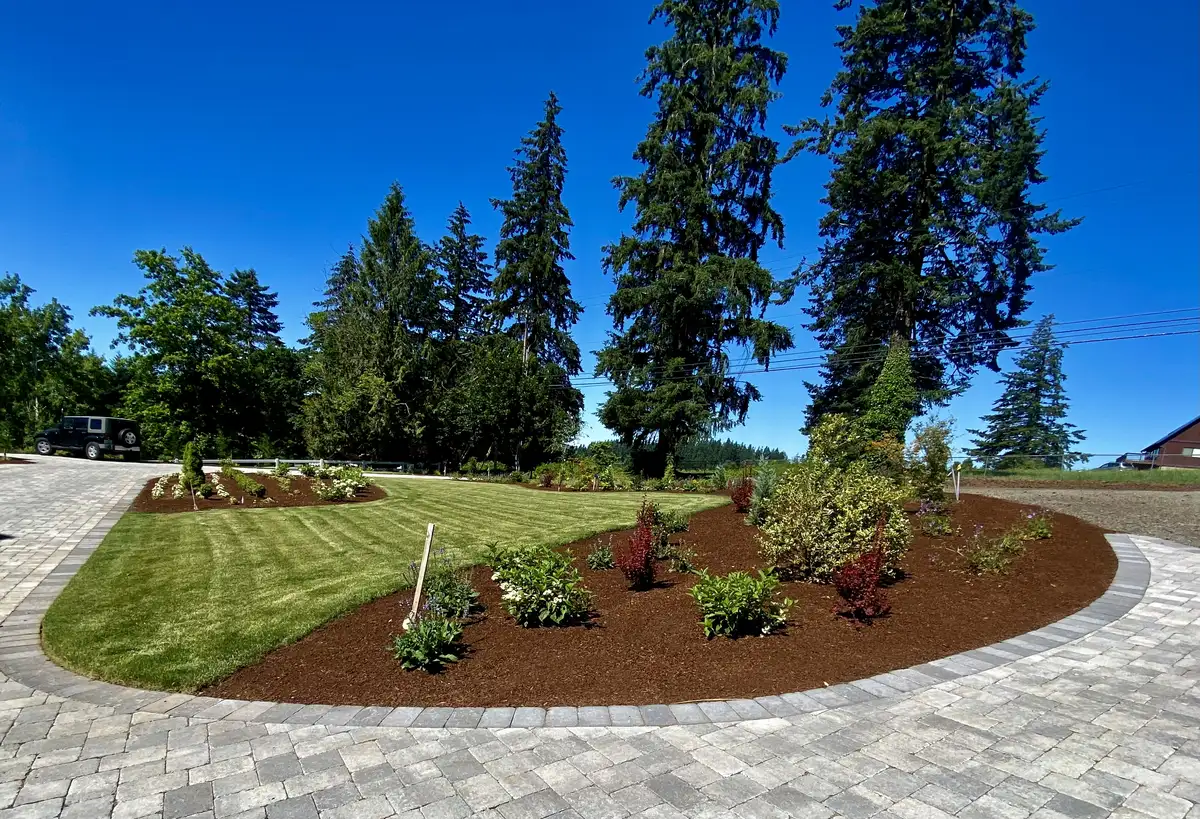
Before you book landscaping in Wilsonville, turn the wish list into a property-specific brief. A useful conversation covers how the yard should work, where water travels, what crews can access, which surfaces connect, how much upkeep you want, and exactly what the estimate includes. Those details make proposals easier to compare and reduce surprises after work begins.
Use these eight questions during a walkthrough. They apply whether you are refreshing beds, rebuilding a lawn, creating a patio, addressing a slope, or coordinating several improvements. You can also review CreekView’s dedicated Wilsonville landscaping service and Wilsonville service-area details before the visit.
Prepare a one-page yard brief
- List the two or three ways you want to use the space
- Mark areas that stay wet, wear out, feel steep, or are hard to maintain
- Photograph runoff or pooling during rain if the walkthrough happens in dry weather
- Note gates, steps, utilities, downspouts, HOA rules, and features that must remain
- Choose a realistic maintenance level rather than a material based on appearance alone
1. What should this yard help us do?
Start with daily use instead of a list of products. Do you need a dependable route from the driveway to the back gate, a lawn for play, a level place to sit, cleaner planting beds, or fewer muddy and high-maintenance areas? Rank the priorities. A clear first goal helps the contractor decide which work belongs in the initial scope and which ideas can wait.
This is also where the “rule of three” can be useful. In landscape design, repeating three plants, materials, colors, or forms can create rhythm and connect separate areas. It is a guideline, not a rule for every bed. Mature plant size, sightlines, space, and maintenance still determine whether a grouping makes sense.
2. What does “landscaping” include in this proposal?
The word can cover very different scopes. CreekView’s public landscaping services include work such as soil preparation, grading, sod, planting, mulch, lawn care, and clean up; connected projects may also involve turf, pavers, or retaining walls. Ask which of those tasks are actually included for your property.
Define the work boundaries on site. Confirm what will be removed, what remains, where new work stops, and how the finish meets the driveway, fence, foundation, patio, neighboring grade, or existing plants. Two estimates are not comparable if one includes demolition, hauling, preparation, and finish work while another prices only the visible material.
3. Where does water move during Wilsonville’s wet months?
August conditions may show dry soil, sun exposure, irrigation gaps, and worn paths, but they may not reveal repeated winter pooling. Point out low spots, soft lawn, washed mulch, erosion, downspout discharge, or water moving toward a structure. If possible, bring rainy-season photos to the walkthrough.
Ask how proposed grades, walls, lawns, beds, paths, and patios will affect one another. A new surface should be considered as part of the whole yard, not in isolation. Wilsonville’s public stormwater guidance explains why managing runoff and reducing pollutants matter. Project-specific requirements depend on the property and scope, so confirm applicable reviews or rules rather than assuming.
4. Can crews, equipment, and materials reach the work area?
Measure the narrowest gate and flag steps, fences, steep grades, overhead constraints, limited parking, and areas that cannot be used for staging. Access affects equipment choices, hauling, labor, protection of existing surfaces, and sometimes the order of work. Ask where materials will be placed and how the route will be restored or cleaned.
Utilities, easements, HOA requirements, protected resource areas, and certain grading, drainage, or structural work may also affect the plan. Ask what needs to be confirmed, who is responsible, and whether an answer is required before the estimate or schedule can be finalized.
5. Why does each material fit this exact location?
There is no single best finish for every part of a yard. Sun and shade, foot traffic, pets, slope, drainage, irrigation, appearance, and available care time can point to different choices. Ask the contractor to connect each recommendation to the conditions where it will be installed.
Compare the full ownership decision. Turf installation and natural lawn have different care patterns. Pavers depend on preparation, elevations, edges, and drainage—not just color and shape. Mulch can finish beds and help manage soil moisture, but it settles and needs refreshing. If a slope is involved, ask how any retaining wall changes drainage, access, and adjacent grades.
6. Which preparation work is driving the investment?
The most expensive part of landscaping varies from yard to yard. Excavation, hauling, disposal, grading, base preparation, access limits, retaining work, and material quantities can outweigh the visible finish. Ask what must happen below or behind the finished surface and why.
A useful estimate should make the major cost drivers understandable without pretending every unknown can be settled before work starts. If hidden conditions could change the scope, ask how they will be documented, priced, and approved. That is more useful than focusing only on the material with the highest unit price.
7. Is an hourly rate the right way to compare the work?
An hourly number—whether $100 or another amount—does not show value by itself. Crew size, equipment, travel, hauling, disposal, site access, preparation, materials, and supervision all affect what gets completed. The same is true of a request for “two hours of yard work”: two hours of hand cleanup is not the same scope as two hours involving equipment or disposal.
Ask what result is expected, whether there is a minimum charge, what is included, and which conditions could extend the work. For a defined installation, compare the total written scope and expected outcome. For open-ended cleanup or discovery work, confirm the rate structure, crew assumptions, disposal, and approval point before additional time is added.
8. What will be written down before booking?
The proposal should identify work areas, removal, preparation, materials, installation, cleanup, exclusions, homeowner responsibilities, and the process for changes. Also ask how the work will be sequenced if landscaping connects with lawn, turf, pavers, walls, or drainage improvements. Finished elevations and access for later phases should be considered early.
Finally, clarify the handoff. Ask what care begins immediately, who is responsible, and which instructions apply to new lawn, plants, mulch, turf, pavers, or other installed materials. If any product warranty or contractor commitment is offered, request its terms in writing instead of assuming coverage.
What a useful comparison has in common
Line up proposals by the result, work boundaries, removal, preparation, materials, access assumptions, cleanup, exclusions, aftercare, and change process. If those items differ, the totals are pricing different projects.
Wilsonville landscaping FAQ
What is the rule of three in landscaping?
The rule of three is a design guideline, not a requirement. Repeating three plants, materials, colors, or forms can make a landscape feel connected without looking rigid. The right grouping still depends on mature plant size, the scale of the bed, sightlines, and maintenance needs.
Is $100 an hour too much for landscape work?
An hourly rate by itself is not enough to judge value. Crew size, equipment, hauling, disposal, site access, preparation, and the work included all affect the total. Compare written scope, exclusions, and expected result before comparing one hourly figure.
What is the most expensive part of landscaping?
The main cost driver varies by property. Excavation, hauling, grading, base preparation, access limits, retaining work, and material quantities can cost more than the visible finish. A property-specific estimate should make the major scope drivers clear.
How much should two hours of yard work cost?
There is no reliable universal price for two hours of yard work. The total can depend on crew size, travel or minimum charges, equipment, hauling, disposal, access, and whether materials are included. Ask what result can reasonably be completed and what the written price covers.
What should Wilsonville homeowners check before booking landscaping?
Define how the yard should work, note where water collects, confirm crew and equipment access, compare maintenance needs, and make sure removal, preparation, materials, cleanup, exclusions, and change approvals are clear in writing. Property-specific rules or drainage constraints may also need review.
Bring your questions to a CreekView walkthrough
Share the property address, the area you want to improve, current trouble spots, and the service you are considering. CreekView can coordinate landscaping and connected hardscape work when those elements are included in the agreed scope. Contact CreekView Landscape or call (971) 983-6455 to request a property-specific estimate.