
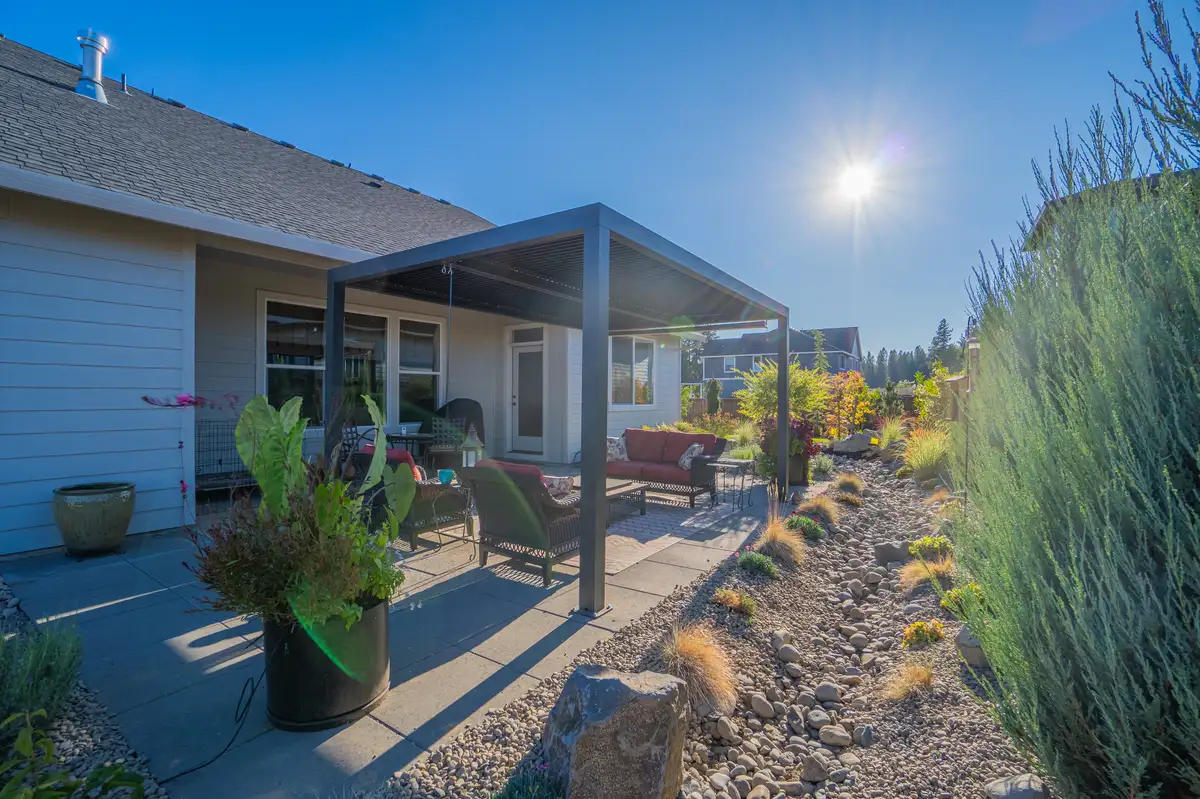
A landscape should still make sense after the installation crew leaves. Before booking landscaping in Wilsonville, ask how the proposed lawn, beds, paths, patio, walls, or turf will respond to rain, summer use, and the amount of care you can realistically provide. The best-looking option on day one is not always the best fit for the next wet season or the years that follow.
These seven questions shift the conversation from a list of materials to long-term use. They can help you compare proposals for a focused update or a connected outdoor project. For CreekView’s service details, visit landscaping in Wilsonville, OR and the broader Wilsonville service area.
Start with a maintenance inventory
- Name the tasks you already enjoy and the ones you routinely postpone
- Note grass, beds, or paths that stay wet, dry out, wash away, or collect debris
- List the time you can give the yard each week and each season
- Mark irrigation, downspouts, gates, utilities, steps, and features that will remain
- Check HOA guidance or property restrictions that could affect materials or access
1. Which recurring yard problem should this project eliminate?
Start with what you repeatedly fix. It may be a muddy route to the gate, lawn that struggles in shade, mulch that washes out, a steep edge that is difficult to mow, or planting that requires more attention than you want to give. Describe when the problem appears and how it affects daily use.
That history gives the landscaping conversation a measurable goal. “Create a firm, lower-maintenance route through this wet side yard” is more useful than “add a path.” It also helps separate a surface-level refresh from work that may need grading, soil preparation, drainage planning, or a different material choice.
2. How will water move through the finished yard?
Late-summer ground can hide the places that collect water during Wilsonville’s rainy months. Show the contractor any photos of pooling, soft lawn, washed mulch, erosion, or roof runoff. Ask how new grades and materials will affect the path water takes rather than considering each feature by itself.
A patio can change runoff near a bed. A retaining wall can change nearby grades and how a lawn or path meets the slope. Even a bed refresh should account for downspouts and low spots. Wilsonville’s public stormwater overview explains how runoff affects property and the larger system. Specific requirements still depend on the property and proposed work.
3. What care will each material need in every season?
Ask about the work that follows installation, not only the finished appearance. Natural lawn can involve mowing, edging, irrigation, feeding, and seasonal repair. Mulch can help finish beds and manage soil moisture, but it settles and needs refreshing. Plants bring changing size, pruning, leaf drop, and different water needs. Pavers, gravel, and turf also have cleaning and upkeep considerations.
Compare those needs against the way you use the yard. Pets, children, heavy foot traffic, shade, irrigation, and time away from home can all change what “low maintenance” means. A useful recommendation should explain the tradeoff clearly enough that you know what care remains yours after the project is complete.
4. Is the proposal for installation, recurring care, or both?
Landscaping and landscape maintenance are related, but they are not the same scope. A one-time project may include removal, preparation, installation, and cleanup. Recurring service may cover mowing, edging, pruning, weeding, or seasonal tasks on a schedule. Do not assume that installation includes ongoing care, or that a maintenance visit includes renovation work.
If you are comparing lawn care options, line up the same tasks, visit frequency, seasonal work, materials, disposal, and exclusions. Ask who monitors irrigation, new plant establishment, weeds, and repairs. A smaller per-visit number may simply describe a narrower service.
5. What preparation and cleanup are included?
The visible finish is only part of the project. Confirm removal, excavation, hauling, disposal, soil or base preparation, grading, material quantities, edging, transitions, and final cleanup. Difficult access can affect how equipment and materials reach the work area and how much work must be done by hand.
This is also why one hourly rate cannot answer whether a landscaping price is fair. Crew size, equipment, access, hauling, disposal, preparation, materials, and the expected outcome all matter. Compare complete written scopes. If two proposals handle the work below the surface differently, they are not pricing the same result.
6. Which property rules or site limits need an answer first?
Ask about utilities, easements, protected areas, HOA requirements, access permissions, and any city review that could apply to the proposed work. Not every landscaping project needs the same approvals, so avoid a blanket assumption. The right question is what applies to this property and scope, who will verify it, and when the answer is needed.
Also look at the practical limits: gate width, steps, steep slopes, overhead lines, parking, material staging, and surfaces that must be protected. Resolving those details before booking can prevent a preferred material or construction sequence from becoming impractical later.
7. How should connected improvements be sequenced?
A yard may begin with one priority while still needing a plan for what comes next. If a future paver patio, turf area, wall, lawn, or planting bed will meet today’s work, discuss finished elevations, edges, access, and drainage now. The wrong sequence can mean reopening a completed area or limiting equipment access for a later phase.
CreekView’s landscaping services can bring soil preparation, grading, sod, planting, mulch, lawn care, and clean up into the same project conversation, with connected turf, paver, or retaining-wall work when it is part of the agreed scope. Ask what belongs together and what can be phased without creating rework.
Before you sign, define the handoff
The written proposal should identify work areas, removal, preparation, materials, installation, cleanup, exclusions, homeowner responsibilities, and how changes are approved. It should also make immediate aftercare clear. If a product warranty or contractor commitment is offered, ask for the actual terms in writing.
Wilsonville landscaping FAQ
What are common landscaping mistakes new homeowners make?
Common mistakes include choosing materials before defining how the yard will be used, overlooking drainage and access, underestimating maintenance, and comparing estimates with different preparation or cleanup work. Start with the property’s conditions and a written scope.
Is $100 an hour too much for landscape work?
An hourly rate alone does not show whether a price is reasonable. Crew size, equipment, hauling, disposal, materials, access, preparation, and the expected result all affect value. Compare the complete written scope and total rather than one hourly figure.
What is the most expensive part of landscaping?
The largest cost varies by property. Excavation, hauling, grading, base preparation, difficult access, retaining work, and material quantities can cost more than the visible finish. A site-specific estimate should identify the main cost drivers.
How should homeowners compare landscaping maintenance prices?
Compare the same tasks, visit frequency, seasonal work, materials, disposal, exclusions, and responsibility for irrigation or plant care. A lower visit price may cover a narrower set of work, so define the expected condition and service boundaries first.
What should Wilsonville homeowners ask before booking landscaping?
Ask how the plan responds to wet-season runoff, dry-season care, site access, maintenance preferences, existing surfaces, and any property-specific rules. Confirm removal, preparation, materials, cleanup, aftercare, exclusions, and change approvals in writing.
Plan a landscape you can keep enjoying
Bring CreekView the property address, the area you want to improve, the problems you see in wet and dry weather, and the level of maintenance you want. Contact CreekView Landscape or call (971) 983-6455 to request a property-specific estimate for your Wilsonville yard.